In any professional organization, especially one that affects people’s credentials, livelihoods, and public standing, power should never be both decisive and invisible.
Most people assume that when an organization describes itself as democratic, transparent, member-based, or governed by rules, there must be a clear chain of accountability. If a staff member or office makes a decision, surely someone supervises that decision. If an applicant or member raises a serious concern, surely there is a meaningful review process. If a rule is interpreted in a way that affects a person’s professional life, surely there is a body responsible for ensuring that the interpretation is consistent with the written bylaws, published policies, and prior representations.
However, sometimes, after asking enough questions, one discovers something rather startling.
One may think one is dealing with a committee, a board, a bylaw, or a democratic structure. Then, quite by accident, one seems to bump into a hidden “sovereign” behind the curtain.
The “hidden sovereign” problem is not about one individual’s personality. It is not about whether a person is polite, efficient, experienced, or well-intentioned. The problem is structural.
The problem arises when a person or office can make or maintain decisions that affect someone’s professional standing, while the lines of supervision, review, appeal, and accountability remain unclear. It becomes even more serious when concerns about consistency, fairness, or written rules are treated as personal dissatisfaction, repetition, or disrespect.
That is dangerous.
A professional organization should not operate in a way where an applicant must gamble their professional future on an opaque process. No one should have to wonder who actually has authority, who supervises that authority, who can review a disputed decision, or whether the written rules mean what they appear to mean.
In a healthy institution, accountability is not an insult. Asking who supervises a decision-maker is not disrespectful. Requesting written clarification is not misconduct. Asking whether an organization is following its own published rules is not a personal attack.
These are basic questions of governance.
A fair structure should be able to answer, in writing:
Who has decision-making authority?
Who supervises that authority?
What appeal or review mechanism exists?
Who is responsible for ensuring that decisions are consistent with bylaws, agreements, and published information?
If these questions cannot be answered clearly, the issue is no longer merely about one case or one applicant. It becomes a public-interest concern within the profession.
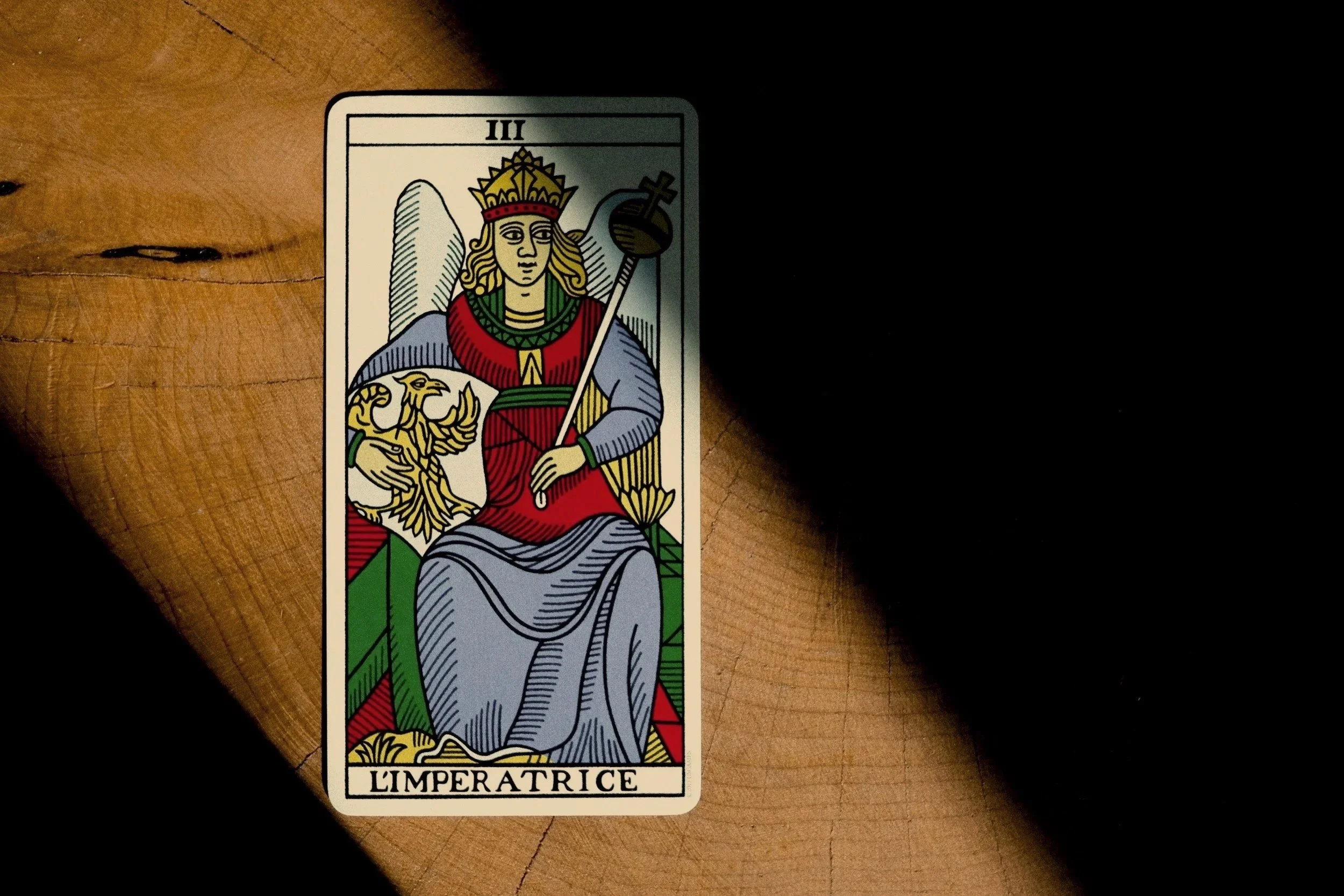
The hidden empress may make for an amusing metaphor, but in real professional life, invisible power is no joke.
Credentials affect work. Work affects livelihood. Livelihood affects dignity.
Where professional standing is at stake, power must be visible, accountable, and reviewable. Otherwise, a system that appears democratic on paper may quietly become imperial in practice.