Villains in Literature, Virtues in Certified Translation

This article is not a celebration of cruelty or fictional villainy. It is a reflection on why discipline, boundaries, and vigilance are essential safeguards in certified translation, especially when official documents contain unclear text, missing information, incomplete names, or client assumptions that cannot be verified.
Some figures in literature are remembered as cold, severe, suspicious, or unpleasant. They are not usually presented as people to admire. In novels and dramas, such characters may appear harsh because they refuse comfort, sentiment, illusion, or easy trust.
Yet in certified translation, some of these unpopular qualities may become unexpectedly useful.
Certified translation is not a fairy tale. It is not a place where uncertainty should be softened, missing information should be completed by imagination, or unclear documents should be made to look clearer than they are. A certified translation is often used for immigration, licensing, banking, legal, academic, financial, or administrative purposes. The translated document may be read by government offices, courts, financial institutions, licensing bodies, schools, employers, or other official recipients.
In that context, a translator’s duty is not to make every document look convenient. The duty is to represent the source document accurately, responsibly, and without guessing.
This is where the “villainous” virtues become important.
A literary villain may be disliked for being severe, but in certified translation, severity can mean refusing to place a seal on a translation that does not meet professional standards.
A literary villain may be disliked for being suspicious, but in certified translation, suspicion can mean noticing that a company name is incomplete, that a stamp is partially cut off, that a handwritten note is unclear, or that a scanned image is too distorted to support a reliable translation.
A literary villain may be disliked for having rigid boundaries, but in certified translation, boundaries can mean refusing to certify someone else’s translation, refusing to guess missing words, refusing to translate from a poor-quality photo when a clear scan is needed, or refusing to turn a client’s assumption into an official-looking statement.
These qualities may not be warm or charming, but they protect the reliability of the translated document.
In bank statements, for example, a company name may identify a payer, payee, employer, supplier, merchant, payment platform, or source of funds. If part of the name is cut off in the source document, the translator should not reconstruct the missing part simply because it seems likely. If the official registered English name of a company cannot be reliably confirmed, the translator should not invent a convenient English version and present it as fact.
In identity documents, licences, certificates, and official records, the same principle applies. Stamps, seals, handwritten notes, security features, signatures, dates, names, and document numbers may all matter. Some details may be visible; some may be unclear; some may be incomplete. The translation should not pretend that uncertainty does not exist.
A pleasant-looking translation is not always a reliable translation. A confident-looking guess is still a guess.
This is why certified translation sometimes requires an unfashionable temperament: discipline, caution, vigilance, and the willingness to say no.
Clients may prefer a quick answer. Institutions may prefer clarity. Translators may feel pressure to be accommodating. However, when the source document is unclear or incomplete, the most responsible answer may be: this cannot be safely confirmed from the document provided.
That answer may sound severe. Although it may even sound inconvenient, it is often the answer that protects the client, the translator, and the receiving institution.
Literature often teaches readers to distrust severe characters. That lesson has its place. Cruelty, control, and needless harshness are not virtues.
However, professional vigilance is different from cruelty. Boundaries are different from arrogance. Accuracy is different from stubbornness. A certified translator does not need to be unkind, but must be able to resist pressure, sentiment, and convenient assumptions.
In certified translation, the most dangerous mistake is not always a mistranslated word. Sometimes the greater danger is making an uncertain document appear certain.
The translator must not turn missing text into complete text, unclear information into clear information, or a client’s wish into a documentary fact.
That is why some traits that look unattractive in literature may become essential in professional practice. The spirit is not cruelty. The spirit is discipline.
In certified translation, discipline matters.
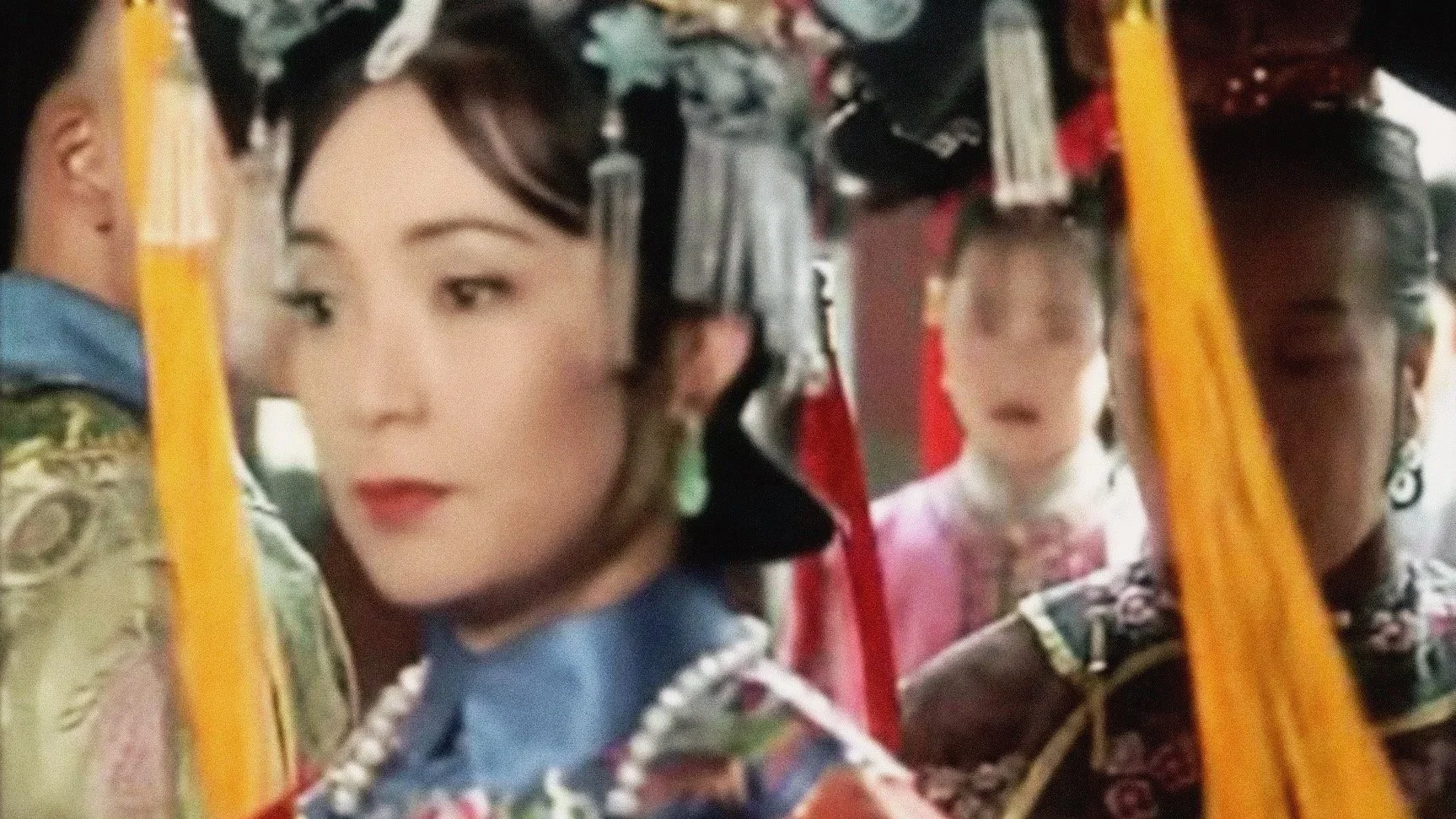
In this well-known Chinese palace drama, the longest-serving empress consort of Chien-lung Emperor (1711–1799) is framed as a villain because she is severe, formal, and unwilling to indulge disorder. Yet from another perspective, her role is to defend institutional discipline, hierarchy, and reputation. The younger, more sympathetic heroine may appear lively and innocent, but she repeatedly challenges protocol, behaves disrespectfully, and disrupts the order that the Empress is expected to protect.
This is the point of the article: traits that look cold or unpleasant in storytelling may become necessary in professional practice. In certified translation, discipline, boundaries, and vigilance are not disrespect or cruelty. They are safeguards.