
 Image 1 of 1
Certified Translation of a Contract or Agreement
This page provides certified translation services for contracts and agreements written in Chinese. A contract is a formal legal document that records the rights, obligations, and commitments established between two or more parties. Within Chinese legal and commercial practice, contracts are widely used to regulate relationships in areas such as business cooperation, service arrangements, property transactions, financial agreements, and other forms of civil or commercial activity. When such documents are presented in English-speaking jurisdictions, a certified translation may be required so that the legal meaning and contractual obligations expressed in the document can be clearly understood.
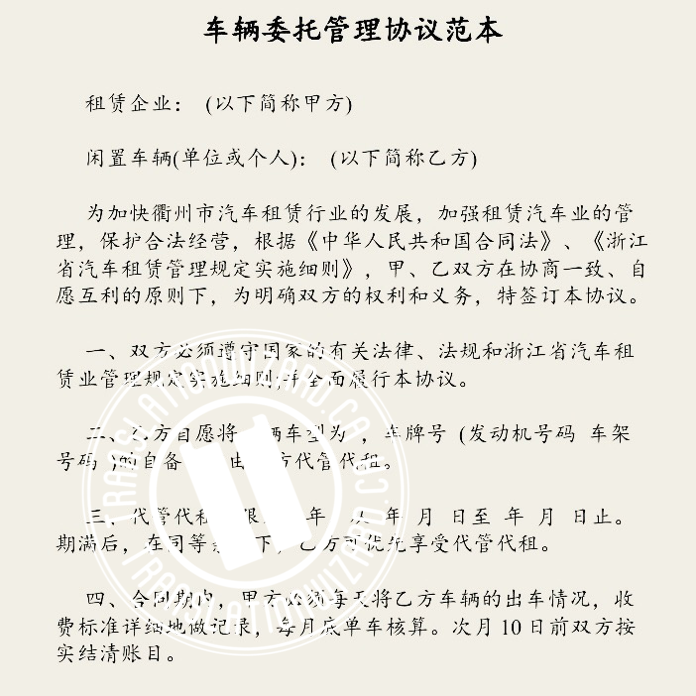
Chinese-language contracts typically begin by identifying the parties involved in the agreement. The document may refer to the parties using designations such as “Party A” and “Party B,” a common drafting convention used in Chinese legal writing to distinguish the roles and responsibilities of the contracting parties. These designations help establish the contractual framework and allow the terms of the agreement to refer clearly to each participant throughout the document.
Another defining feature of contracts is the description of the purpose and subject matter of the agreement. The document may outline the background or circumstances leading to the contract and identify the activities, services, or assets that form the basis of the contractual relationship. This introductory portion helps clarify the context in which the agreement is established and provides the foundation for the detailed provisions that follow.
The main body of a contract generally consists of a series of clauses describing the obligations, rights, and responsibilities of the parties. These clauses may address matters such as the duration of the agreement, financial arrangements, performance requirements, and other conditions governing the relationship between the parties. The structure of these provisions reflects the standard drafting style used in many Chinese legal and commercial contracts, where each clause defines a specific aspect of the contractual relationship.
Contracts and agreements commonly include formal elements confirming the authenticity of the document. These elements may include signatures, company seals, or identifying information relating to the parties. Such features help demonstrate that the document reflects the mutual consent of the parties and that the obligations recorded in the contract were formally accepted.
Translations associated with contracts and legal agreements are prepared by a Chinese–English certified translator accredited by the Society of Translators and Interpreters of British Columbia (STIBC) and the Association of Translators and Interpreters of Ontario (ATIO). Certified translations help ensure that legal terminology, contractual language, and institutional references appearing in the original agreement are accurately rendered in English while preserving the structure and meaning of the source document.
Certified Translation of a Contract or Agreement
This page provides certified translation services for contracts and agreements written in Chinese. A contract is a formal legal document that records the rights, obligations, and commitments established between two or more parties. Within Chinese legal and commercial practice, contracts are widely used to regulate relationships in areas such as business cooperation, service arrangements, property transactions, financial agreements, and other forms of civil or commercial activity. When such documents are presented in English-speaking jurisdictions, a certified translation may be required so that the legal meaning and contractual obligations expressed in the document can be clearly understood.
Chinese-language contracts typically begin by identifying the parties involved in the agreement. The document may refer to the parties using designations such as “Party A” and “Party B,” a common drafting convention used in Chinese legal writing to distinguish the roles and responsibilities of the contracting parties. These designations help establish the contractual framework and allow the terms of the agreement to refer clearly to each participant throughout the document.
Another defining feature of contracts is the description of the purpose and subject matter of the agreement. The document may outline the background or circumstances leading to the contract and identify the activities, services, or assets that form the basis of the contractual relationship. This introductory portion helps clarify the context in which the agreement is established and provides the foundation for the detailed provisions that follow.
The main body of a contract generally consists of a series of clauses describing the obligations, rights, and responsibilities of the parties. These clauses may address matters such as the duration of the agreement, financial arrangements, performance requirements, and other conditions governing the relationship between the parties. The structure of these provisions reflects the standard drafting style used in many Chinese legal and commercial contracts, where each clause defines a specific aspect of the contractual relationship.
Contracts and agreements commonly include formal elements confirming the authenticity of the document. These elements may include signatures, company seals, or identifying information relating to the parties. Such features help demonstrate that the document reflects the mutual consent of the parties and that the obligations recorded in the contract were formally accepted.
Translations associated with contracts and legal agreements are prepared by a Chinese–English certified translator accredited by the Society of Translators and Interpreters of British Columbia (STIBC) and the Association of Translators and Interpreters of Ontario (ATIO). Certified translations help ensure that legal terminology, contractual language, and institutional references appearing in the original agreement are accurately rendered in English while preserving the structure and meaning of the source document.